Bitcoin vs Tether: A Comprehensive Comparison
Bitcoin vs Tether: A Comprehensive Comparison

Bitcoin vs Tether: A Comprehensive Comparison
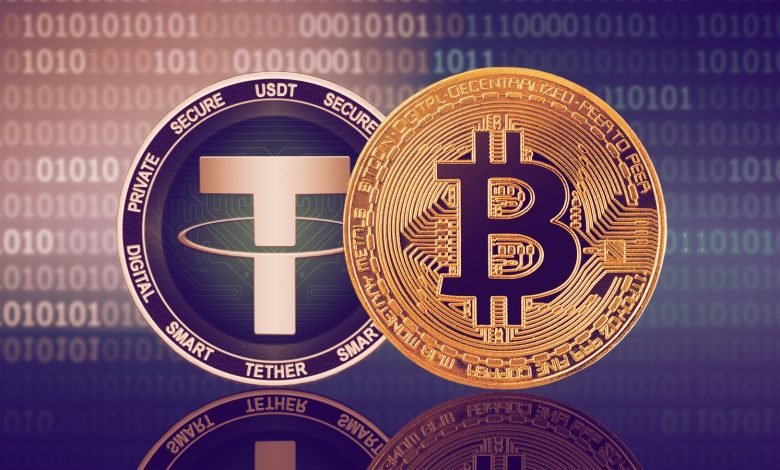
Bitcoin vs Tether. As the cryptocurrency market continues to evolve, a pressing question arises: which digital currency will dominate the financial landscape? Cathie Wood, a renowned investor, has expressed her confidence in Bitcoin being the leading cryptocurrency. But how does it compare to other prominent digital assets like Tether?

The world of digital currency is complex, with various assets utilizing blockchain technology to facilitate transactions. As we explore the differences between Bitcoin and Tether, we will examine their unique characteristics, uses, and the role they play in the cryptocurrency market.
Key Takeaways
- Understanding the fundamental differences between Bitcoin and Tether.
- Examining the role of blockchain technology in cryptocurrency.
- Evaluating the potential of Bitcoin as a leading digital currency.
- Assessing the uses and characteristics of Tether in the cryptocurrency market.
- Comparing the market presence of Bitcoin and Tether.
The Cryptocurrency Landscape
The landscape of cryptocurrency is diversifying, with new assets and technologies coming to the fore. This evolution is transforming the way we perceive and interact with digital currencies.
The role of digital assets in modern finance is becoming increasingly significant. As the crypto market continues to mature, it’s essential to understand the various types of cryptocurrencies and their applications.
Digital Assets in Modern Finance
Digital assets are redefining the financial landscape. They offer a range of benefits, including:
- Increased transparency and security
- Improved liquidity and accessibility
- New investment opportunities
The Rise of Different Cryptocurrency Types
The cryptocurrency space is not limited to Bitcoin. Other types of cryptocurrencies, such as stablecoins like Tether, are gaining traction. These currencies are designed to offer stability and reduce volatility.
The crypto market’s growth is driven by the emergence of new cryptocurrency types, each with its unique features and use cases. Understanding these differences is crucial for navigating the complex world of virtual currency.
The Origin Story: Bitcoin vs Tether
The stories of Bitcoin and Tether’s origins are fundamental to understanding their roles in the cryptocurrency landscape. To comprehend their current positions, it’s essential to explore their histories and key milestones.
Bitcoin: The Genesis of Cryptocurrency
Satoshi Nakamoto’s Vision
Bitcoin was created by an individual or group using the pseudonym Satoshi Nakamoto. Nakamoto’s vision, as outlined in the Bitcoin whitepaper, was to create a decentralized digital currency that would allow for peer-to-peer transactions without the need for intermediaries. This vision was revolutionary, marking the beginning of the cryptocurrency era.
Key Milestones in Bitcoin’s History
Bitcoin’s history is marked by several key milestones, including its first block, known as the Genesis Block, mined on January 3, 2009. Other significant events include the first halving in 2012, which reduced the block reward, and the activation of Segregated Witness (SegWit) in 2017, enhancing scalability.
Tether: The Birth of a Stablecoin
The Founding of Tether Limited
Tether was founded by Tether Limited, a company that aimed to create a stablecoin pegged to the value of the US dollar. The idea was to bridge the gap between traditional fiat currency and cryptocurrencies, providing stability in a volatile market.
Evolution of USDT Since 2014
Since its inception in 2014, Tether (USDT) has evolved significantly. Initially launched on the Bitcoin blockchain using the Omni Layer protocol, USDT has since been implemented on various other blockchains, including Ethereum, Tron, and Solana. This expansion has increased its accessibility and usability across different platforms.
Fundamental Differences Between Bitcoin and Tether
Understanding the core distinctions between Bitcoin and Tether requires examining their foundational principles. Bitcoin and Tether represent two different approaches to digital assets, each with its unique characteristics and use cases.
Purpose and Design Philosophy
The purpose and design philosophy behind Bitcoin and Tether are fundamentally different. Bitcoin is designed as a decentralized digital currency, operating independently of central banks and governments.
Bitcoin as a Decentralized Currency
Bitcoin’s decentralized nature allows for peer-to-peer transactions without the need for intermediaries. This decentralization is a core aspect of its design philosophy, aiming to provide a secure and transparent financial system.
Tether as a Stability Mechanism
In contrast, Tether is designed as a stablecoin, aiming to maintain a stable value relative to the US dollar. Tether’s primary purpose is to provide a stability mechanism in the often volatile cryptocurrency market.
Underlying Value Proposition
The underlying value proposition of Bitcoin lies in its scarcity model, with a capped supply of 21 million coins. This scarcity is intended to prevent inflation and maintain the value of each coin over time.
Bitcoin’s Scarcity Model
Bitcoin’s scarcity model is a key factor in its appeal as a store of value. The limited supply is designed to protect against inflationary pressures.
Tether’s Fiat-Backed Approach
Tether, on the other hand, derives its value from being backed by fiat currency, primarily the US dollar. For every Tether issued, there should theoretically be an equivalent amount of fiat currency held in reserve.
| Feature | Bitcoin | Tether |
|---|---|---|
| Primary Purpose | Decentralized Currency | Stability Mechanism |
| Value Proposition | Scarcity Model | Fiat-Backed |
In conclusion, the fundamental differences between Bitcoin and Tether are rooted in their design philosophies and underlying value propositions. Understanding these differences is crucial for navigating the complex landscape of digital assets.
Technical Architecture Comparison
Understanding the technical underpinnings of Bitcoin and Tether is crucial for grasping their roles in the digital asset ecosystem.
Bitcoin’s Blockchain Structure
Bitcoin operates on a decentralized blockchain, utilizing a proof-of-work consensus mechanism to secure its network. This mechanism involves miners competing to solve complex mathematical puzzles, validating transactions, and adding them to the blockchain.
Proof-of-Work Consensus
The proof-of-work consensus is energy-intensive and has been criticized for its environmental impact. However, it provides a robust security framework for the Bitcoin network.
Block Size and Transaction Capacity
Bitcoin’s block size has been a topic of debate, with limitations affecting its transaction capacity. The current block size limit is 1 MB, which can lead to congestion and increased transaction fees during peak usage.
Tether’s Implementation Across Blockchains
Tether, on the other hand, is implemented across multiple blockchains, including the Omni Layer, Ethereum, and others. This multi-blockchain approach allows Tether to leverage the strengths of different platforms.
Omni Layer, Ethereum, and Other Platforms
Tether was initially launched on the Omni Layer, a protocol built on top of the Bitcoin blockchain. It has since been integrated into other platforms like Ethereum, providing faster transaction times and greater flexibility.
Technical Limitations and Advantages
While Tether’s multi-blockchain implementation offers advantages in terms of flexibility and scalability, it also introduces complexities related to transaction capacity and interoperability.
| Feature | Bitcoin | Tether |
|---|---|---|
| Consensus Mechanism | Proof-of-Work | N/A (Centralized) |
| Blockchain | Decentralized | Multi-Blockchain |
| Block Size Limit | 1 MB | Varies by Platform |
Transaction Dynamics: Speed, Cost, and Scalability
Transaction dynamics play a significant role in determining the usability of cryptocurrencies like Bitcoin and Tether. The efficiency of transactions in terms of speed, cost, and scalability can greatly impact user experience and adoption.
Bitcoin Transaction Metrics
Bitcoin’s transaction metrics are crucial for understanding its usability. Confirmation times and mempool are key indicators of the network’s health.
Confirmation Times and Mempool
Bitcoin’s transaction confirmation times can vary significantly during peak periods, affecting user experience. The mempool, which holds unconfirmed transactions, is another critical metric.
Fee Structure During Peak Periods
During peak periods, Bitcoin’s transaction fees can surge, making it costly for users to transact. This fee structure is a significant factor in Bitcoin’s usability.
Tether Transaction Efficiency
Tether’s transaction efficiency is largely dependent on the blockchain it is issued on. Platform-dependent performance varies across different chains.
Platform-Dependent Performance
Tether operates on multiple blockchains, including Ethereum, Tron, and others. Its performance is thus tied to the underlying blockchain’s capabilities.
Gas Fees on Ethereum vs Other Chains
Gas fees on Ethereum can be high, impacting Tether’s transaction cost. In contrast, other chains like Tron offer lower fees, enhancing Tether’s usability.
Understanding these dynamics is crucial for users and investors alike, as they impact the overall usability and cost-effectiveness of Bitcoin and Tether transactions.
Price Stability: Volatility vs Pegging
Price stability is a critical factor in the cryptocurrency market, with Bitcoin and Tether representing two different approaches. Bitcoin’s price is known for its volatility, while Tether is designed to maintain a stable peg to the US dollar.
Bitcoin’s Price Fluctuations
Bitcoin’s price has historically been subject to significant fluctuations. Understanding these fluctuations is crucial for investors and users alike.
Historical Volatility Analysis
Analyzing Bitcoin’s historical price data reveals periods of high volatility, often triggered by market sentiment, regulatory announcements, or macroeconomic factors.
Factors Influencing Bitcoin’s Price
Several factors contribute to Bitcoin’s price movements, including market demand, adoption rates, and global economic conditions. Economic uncertainty can often drive investors to Bitcoin, affecting its price.
Tether’s Dollar Peg Mechanism
Tether, on the other hand, is designed to maintain a stable value pegged to the US dollar. This is achieved through a reserve system where each Tether token is supposedly backed by an equivalent amount of US dollars.
How the 1:1 USD Peg Works
The mechanism behind Tether’s peg involves maintaining a reserve of US dollars that backs the issued Tether tokens. This reserve is crucial for maintaining user trust and the stability of Tether’s value.
Instances of Peg Deviation
Although Tether is designed to maintain a 1:1 peg with the US dollar, there have been instances where the peg has deviated. These deviations are often a result of market dynamics or concerns about Tether’s reserve transparency.

Bitcoin Tether: Market Relationship and Trading Dynamics
Understanding the market dynamics between Bitcoin and Tether is essential for traders and investors. The relationship between these two assets significantly influences the cryptocurrency market’s overall stability and trading volumes.
Tether’s Role in Bitcoin Trading Volume
Tether (USDT) plays a crucial role in Bitcoin trading, with a significant portion of Bitcoin trades being paired with USDT. This pairing dominates many cryptocurrency exchanges.
USDT Trading Pairs Dominance
The dominance of USDT trading pairs in Bitcoin trading underscores Tether’s importance in facilitating liquidity and enabling traders to move in and out of positions quickly.
Liquidity Provision in Crypto Markets
Tether provides liquidity in crypto markets, allowing for smoother transactions and reducing the risk associated with large trades.
Market Correlation Patterns
The issuance of new Tether tokens can impact Bitcoin’s price, often leading to increased buying activity.
How Tether Issuance Affects Bitcoin
When Tether is issued, it can lead to an increase in Bitcoin’s price due to the additional liquidity provided.
Trading Strategies Using Both Assets
Traders often use both Bitcoin and Tether in their strategies, leveraging Tether’s stability to hedge against Bitcoin’s volatility.
Use Cases and Practical Applications
Understanding the use cases of Bitcoin and Tether is crucial for grasping their roles in modern finance. Both cryptocurrencies have carved out distinct niches, offering unique benefits to users.
Bitcoin’s Real-World Utility
Bitcoin’s utility is multifaceted, serving as both a store of value and a payment system. As a store of value, Bitcoin is often compared to gold, providing a hedge against inflation and market volatility.
Store of Value and Inflation Hedge
Investors view Bitcoin as a digital asset that can protect wealth during economic downturns. Its limited supply and decentralized nature make it an attractive option for those seeking to diversify their portfolios.
Payment System and Remittances
Bitcoin also facilitates fast and secure transactions, making it a viable alternative for remittances and online payments. Its ability to process transactions without intermediaries reduces costs and increases efficiency.
Tether’s Functional Benefits
Tether, on the other hand, offers stability in the volatile cryptocurrency market. Its value is pegged to the US dollar, making it a reliable stablecoin.
Trading Pair Utility
Tether is widely used as a trading pair on cryptocurrency exchanges, allowing traders to quickly move in and out of positions without converting to fiat currency.
Stable Store of Value During Market Volatility
During periods of market turbulence, Tether provides a safe haven, enabling investors to park their funds in a stable asset. This functionality is crucial for managing risk in cryptocurrency investment strategies.
In conclusion, Bitcoin and Tether serve different purposes within the cryptocurrency ecosystem. While Bitcoin offers a decentralized store of value and payment system, Tether provides stability and a reliable store of value during market fluctuations.
Accessibility and User Experience
The accessibility of cryptocurrencies like Bitcoin and Tether is crucial for their widespread adoption. As digital assets become more integrated into mainstream finance, understanding the user experience becomes essential for investors and users alike.
Acquiring and Storing Bitcoin
Acquiring Bitcoin involves using cryptocurrency exchanges or peer-to-peer transactions. Users can store Bitcoin in various wallets, including hardware wallets like Ledger, software wallets like Electrum, and mobile wallets like Mycelium. The choice of wallet depends on the user’s security needs and technical expertise.
Obtaining and Using Tether
Obtaining Tether typically involves purchasing it on cryptocurrency exchanges or through over-the-counter (OTC) transactions. Tether can be stored in wallets that support ERC-20 tokens, such as MetaMask or Trust Wallet. Its usage is widespread in cryptocurrency trading, allowing users to hedge against market volatility.
User Demographics and Adoption Patterns
User demographics for Bitcoin and Tether vary, with Bitcoin attracting a broader range of investors due to its perceived store of value. Tether, on the other hand, is often used by active traders. According to a survey by Deloitte, “consumer adoption of cryptocurrencies is driven by factors such as ease of use, security, and market volatility.”
| Cryptocurrency | Primary User Demographic | Common Use Cases |
|---|---|---|
| Bitcoin | Long-term investors, speculators | Store of value, investment |
| Tether | Active traders, institutional investors | Hedging, trading |

Controversies and Regulatory Challenges
As Bitcoin and Tether continue to play significant roles in the cryptocurrency market, they face ongoing controversies and regulatory hurdles.
Bitcoin’s Ongoing Issues
Bitcoin has been at the center of several controversies, primarily related to its environmental impact and regulatory scrutiny worldwide.
Environmental Impact Concerns
The energy consumption required for Bitcoin mining has raised significant environmental concerns. The process involves solving complex mathematical problems, which necessitates substantial computational power and, consequently, high energy usage.
- The carbon footprint of Bitcoin mining has been compared to that of small countries.
- Efforts to transition to more energy-efficient consensus mechanisms are underway.
Regulatory Scrutiny Worldwide
Bitcoin faces regulatory challenges across different jurisdictions. Governments and financial institutions are grappling with how to manage and oversee the use of cryptocurrencies.
- Some countries have imposed strict regulations on Bitcoin trading.
- Others have taken a more lenient approach, embracing the technology behind cryptocurrencies.
Tether’s Transparency Problems
Tether, a stablecoin pegged to the US dollar, has faced its own set of controversies, primarily centered around transparency issues and reserve auditing controversies.
Reserve Auditing Controversies
One of the major concerns surrounding Tether is whether it holds sufficient USD reserves to back its tokens. This has led to several controversies and legal challenges.
Tether and its associated companies have been involved in various legal disputes, including allegations of insolvency and misrepresentation of its reserve holdings.
- Tether has settled some of these legal challenges, while others are ongoing.
- The lack of transparency has been a persistent issue, affecting user trust.
In conclusion, both Bitcoin and Tether face significant controversies and regulatory challenges that impact their operations and user trust. Addressing these issues is crucial for their continued adoption and success in the financial markets.
Investment Performance and Considerations
In the realm of cryptocurrency investments, understanding the performance and implications of Bitcoin and Tether is crucial. Both have garnered significant attention from investors, albeit for different reasons.
Bitcoin as a Long-term Investment
Bitcoin has emerged as a popular long-term investment option within the cryptocurrency market. Its performance over the years has been noteworthy, with significant growth that has attracted various types of investors.
Historical Returns Analysis
Analyzing Bitcoin’s historical returns reveals a pattern of volatility, with periods of substantial growth followed by corrections. This volatility is a key factor investors consider when evaluating Bitcoin as a long-term investment.
Risk-adjusted performance metrics are crucial in understanding Bitcoin’s investment potential. Metrics such as the Sharpe ratio help investors gauge the risk-adjusted returns of Bitcoin, providing a more nuanced view of its performance.
Risk-Adjusted Performance Metrics
Risk-adjusted performance metrics offer insights into Bitcoin’s returns relative to its risk. These metrics are essential for investors seeking to understand the efficacy of their investment decisions.
Tether’s Role in Investment Strategies
Tether, on the other hand, serves a different purpose in investment strategies. It is often utilized as a stable store of value and a means to mitigate risk during market downturns.
Capital Preservation During Downturns
Tether’s value is pegged to the US dollar, making it an attractive option for investors looking to preserve capital during market volatility. By holding Tether, investors can potentially reduce their exposure to the volatility associated with other cryptocurrencies.
Yield Opportunities with USDT
Additionally, Tether offers yield opportunities through various cryptocurrency lending platforms and DeFi applications. Investors can earn returns on their Tether holdings, making it a more attractive option for those seeking passive income.
In conclusion, both Bitcoin and Tether play significant roles in investment strategies within the cryptocurrency market. Understanding their performance and implications is vital for investors seeking to navigate this complex and dynamic landscape.
Conclusion
The comparison between Bitcoin and Tether reveals distinct characteristics that cater to different needs within the cryptocurrency landscape. Bitcoin, as a decentralized digital currency, offers a store of value and a medium of exchange, while Tether, as a stablecoin, provides a stable store of value pegged to the US dollar.
In conclusion, the bitcoin vs tether comparison highlights the unique features of each digital asset. Bitcoin’s volatility and potential for high returns make it attractive to investors seeking exposure to the cryptocurrency market. In contrast, Tether’s stability and liquidity make it an essential tool for traders and investors looking to hedge against market fluctuations.
A thorough cryptocurrency comparison and digital asset analysis reveal that both Bitcoin and Tether play crucial roles in the ecosystem. Understanding their differences is essential for making informed decisions in the cryptocurrency market. As the digital asset landscape continues to evolve, the relationship between Bitcoin and Tether will remain a critical aspect of the cryptocurrency discussion.
FAQ
What is the main difference between Bitcoin and Tether?
Bitcoin is a decentralized cryptocurrency with a limited supply, while Tether is a stablecoin pegged to the value of a fiat currency, typically the US dollar.
Is 1 Tether equal to 1 dollar?
In theory, 1 Tether (USDT) is equal to 1 US dollar, as it is pegged to the dollar. However, the actual value can fluctuate slightly due to market forces.
Which is better for investment, Bitcoin or Tether?
Bitcoin is considered a higher-risk, higher-reward investment due to its volatility, while Tether is generally used as a stable store of value or for hedging purposes.
What is the role of Tether in the cryptocurrency market?
Tether is used as a stablecoin to provide liquidity, facilitate trading, and act as a hedge against market volatility, particularly in Bitcoin trading pairs.
How does the price of Bitcoin compare to Tether?
Bitcoin’s price is highly volatile, while Tether’s price is designed to be stable, maintaining a 1:1 ratio with the US dollar.
Can I use Tether for online transactions?
Yes, Tether can be used for online transactions, particularly in the cryptocurrency space, as it provides a stable store of value and medium of exchange.
What are the benefits of using Bitcoin over Tether?
Bitcoin offers a decentralized, censorship-resistant, and potentially lucrative store of value, while Tether is more suited for short-term trading and hedging.
How do I acquire and store Bitcoin and Tether?
Both Bitcoin and Tether can be acquired through cryptocurrency exchanges, and stored in digital wallets, such as software or hardware wallets.
What are the regulatory challenges facing Bitcoin and Tether?
Both Bitcoin and Tether face regulatory scrutiny, with concerns over anti-money laundering, know-your-customer rules, and transparency.
Can I earn yield on my Bitcoin or Tether holdings?
Yes, there are various yield-generating opportunities for both Bitcoin and Tether, such as lending, staking, or participating in decentralized finance (DeFi) protocols.
What is the environmental impact of Bitcoin and Tether?
Bitcoin’s proof-of-work consensus mechanism has raised concerns over energy consumption, while Tether’s impact is generally considered lower, as it is often built on top of other blockchains.
How does Tether’s issuance affect the Bitcoin market?
Tether’s issuance can impact Bitcoin’s price and liquidity, as it is often used to purchase Bitcoin, potentially driving up demand and price.